Trail running is a dynamic and demanding sport, and while building cardiovascular endurance is important, overlooking strength training would be a missed opportunity.
Trails can be unpredictable, with roots, rocks, and uneven surfaces. Strong muscles, especially in the core and lower body, help you maintain stability and avoid injuries.
In trail running, where every mile is an unpredictable adventure, enhanced stability, power and endurance is not just a benefit, but a necessity to do your best and prevent injuries.
Enhanced Stability
Stability refers to your body’s ability to maintain balance and control over varying and often challenging terrains.
To enhance stability for trail running, incorporate exercises that target both large and small muscle groups. This includes squats, lunges, deadlifts, planks, and exercises on uneven surfaces like stability balls or balance boards
Improved Endurance
Endurance is the backbone of successful trail running. The ability to maintain a consistent pace over long distances on varied terrain is crucial for finishing strong and achieving your trail running goals.
Building muscular endurance can help you power through long runs, tackling those challenging ascents and descents with easeu
Injury Prevention
A stronger body is less susceptible to injuries. Strength training can alleviate common trail running issues like ankle sprains and knee pain.
Regular strength training sessions, at least two to three times a week, coupled with proper warm-ups and cool-downs, can significantly reduce your risk of injuries and improve your overall performance as a trail runner. Remember that consistency is key, and listening to your body’s signals is essential to preventing overtraining and burnout. By investing in strength training, you’re not only safeguarding your body but also ensuring that you can continue to enjoy the trails for years to come.
Increased Power
Uphill climbs and quick bursts of speed on the trails require explosive power. Strength training helps you generate the force needed for these moments.
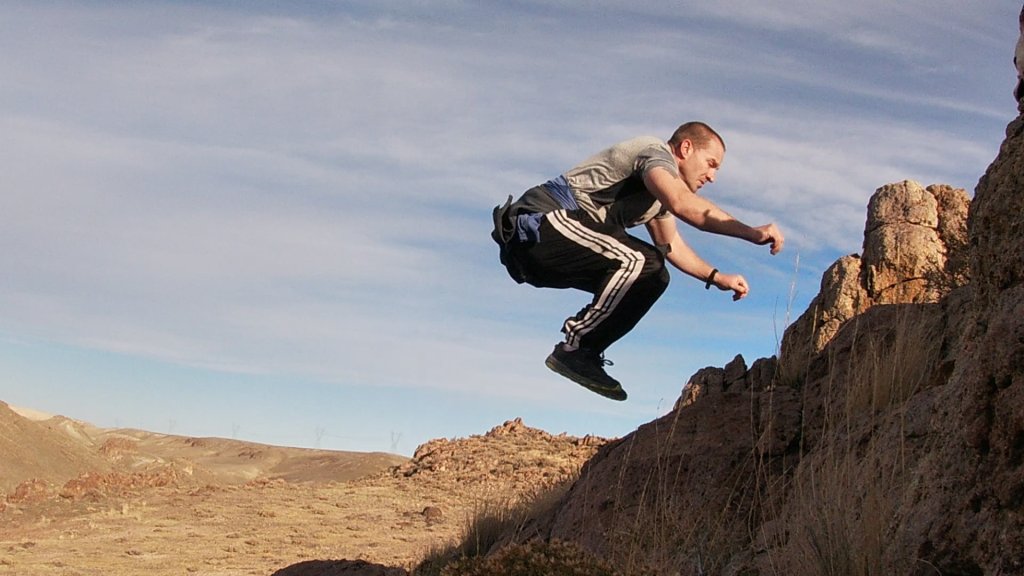
To build increased power, incorporate strength training exercises that emphasize explosive movements. Plyometric exercises like box jumps, squat jumps, and lunges with jumps are excellent choices. These exercises mimic the demands of trail running, helping you develop the specific type of power needed for success on the trails.
Incorporating Strength Training into Your Routine
To maximize the benefits of strength training for trail running, aim to include two to three strength sessions per week. These sessions can be separate from your running workouts, or you can incorporate strength exercises into your warm-up or cool-down routines.
Incorporating strength training into your trail running routine doesn’t require an extensive gym workout. You can perform bodyweight exercises, use resistance bands, or incorporate free weights to target specific muscle groups. Prioritize exercises that mimic the movements and challenges you encounter on the trails. To build increased power, incorporate strength training exercises that emphasize explosive movements. Plyometric exercises like box jumps, squat jumps, and lunges with jumps are excellent choices. These exercises mimic the demands of trail running, helping you develop the specific type of power needed for success on the trails.
Incorporating strength training into your trail running routine also doesn’t mean you have to spend hours in the gym. Even dedicating a few hours per week to targeted strength exercises can yield significant benefits. Whether you’re a beginner or an experienced trail runner, adding strength training to your regimen is a strategic choice that can lead to improved performance, fewer injuries, and a more enjoyable experience on the trails.
Consistency is key when incorporating strength training into your trail running routine. Aim for two to three strength training sessions per week, with a focus on progressively increasing the weight or resistance to continue building strength over time. As your strength improves, you’ll notice an increase in your overall stability, endurance and power, making those long trail runs more enjoyable and achievable.
 Owyhee Trail Fit